Purchasing property in Dubai is an exciting venture, but it can also be overwhelming due to the unique aspects of the Dubai real estate market. With its luxurious lifestyle, stunning architecture, and vibrant culture, many buyers are eager to invest in Dubai property. However, before making a purchase, it’s essential to have all the information at hand. Here are the top questions buyers frequently ask before purchasing property in Dubai.
Table of Contents
Toggle1. What Are the Legal Requirements for Buying Property in Dubai?
Understanding the legal requirements for buying property in Dubai is crucial for any buyer. In Dubai, foreign nationals can purchase property in designated areas known as freehold areas. Buyers must be aware of the following legal requirements:
- Property Type: Ensure the property is located in a freehold area.
- Documentation: Prepare necessary documents, including a valid passport, residency visa (if applicable), and proof of funds.
- Registration: The property must be registered with the Dubai Land Department (DLD).
For a detailed guide on the entire buying process, you can refer to Purchase Property in Dubai, which outlines essential steps and considerations for buyers.
2. What Is the Process of Buying Property in Dubai?
The process of buying property in Dubai typically involves several steps. Understanding this process is vital for anyone looking to purchase property in Dubai:
- Research: Conduct thorough research on the property market in Dubai and identify suitable areas.
- Viewing: Schedule property viewings to assess the options available in Dubai.
- Offer: Make an offer to the seller or developer for the Dubai property.
- Sales Agreement: Once the offer is accepted, sign a Memorandum of Understanding (MOU) outlining the terms.
- Payment: Pay the deposit, usually 10% of the property price.
- Transfer: Complete the transfer process at the DLD and pay the associated fees.
3. What Are the Additional Costs Involved in Purchasing Property?
Buyers should be aware that the purchase price of property in Dubai is not the only cost involved. Additional expenses may include:
- Dubai Land Department Fee: Typically 4% of the property value.
- Real Estate Agent Fee: Usually 2% of the property value.
- Maintenance Fees: Annual fees for property management and maintenance in Dubai.
- Utilities: Costs for electricity, water, and internet services.
Understanding these costs is essential for anyone considering purchasing property in Dubai.
4. Is It Possible to Obtain a Mortgage as a Foreign Buyer?
Yes, foreign buyers can obtain mortgages in Dubai. However, lenders typically require a higher down payment compared to UAE nationals. Here are some key points to consider:
- Down Payment: Foreign buyers may need to pay between 20% to 25% of the property value as a down payment.
- Interest Rates: Compare interest rates from different banks to find the best mortgage deal.
- Eligibility: Lenders will assess your income, credit history, and the property’s value before approving a mortgage.
5. What Are the Best Areas to Invest in Dubai?
Dubai offers a diverse range of neighborhoods, each with its unique charm and investment potential. Popular areas for property investment in Dubai include:
- Downtown Dubai: Home to the Burj Khalifa and Dubai Mall, this area is known for its luxury living and high rental demand.
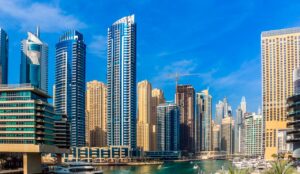
- Dubai Marina: A vibrant waterfront community with an array of dining and entertainment options, ideal for expatriates and tourists.
- Palm Jumeirah: Famous for its luxury villas and beachfront properties, this iconic island is a symbol of opulence.
- Jumeirah Village Circle (JVC): An emerging area with affordable housing options, appealing to first-time buyers and investors.
6. What Are the Rental Yields Like in Dubai?
Dubai is known for its attractive rental yields, often ranging from 5% to 10%, depending on the area and property type. Factors influencing rental yields in Dubai include:
- Location: Prime areas tend to have higher rental yields.
- Property Type: Villas may offer different yields compared to apartments.
- Market Trends: Stay updated on market trends to make informed investment decisions.
7. Where Can I Find More Detailed Information About Property Buying in Dubai?
For first-time homebuyers looking for practical tips and guidance, check out this informative article on Tips for First-Time Homebuyers in Dubai. This resource covers essential advice for navigating the complexities of the Dubai real estate market.
Additionally, for further insights into the property buying process in Dubai, you can explore this valuable resource on common questions buyers ask, which provides answers to frequently asked questions by buyers considering property investments in Dubai.
Contact Us: arabland.ae
Conclusion
Buying property in Dubai is a significant investment that requires careful consideration and planning. By addressing these top questions, buyers can navigate the process more effectively and make informed decisions. Whether you are looking for a luxurious apartment or a family home, understanding the market and its nuances will help you secure the best deal in this vibrant city. Always consider consulting with real estate professionals to guide you through the process and ensure a smooth transaction.
FAQ
1. What legal aspects should I be aware of when buying property in Dubai?
It's important to know the legal framework for property purchases, including: • Freehold Areas: Ensure the property is in a designated freehold zone. • Required Documents: Gather essential paperwork like your passport, residency visa (if necessary), and proof of funds. • Registration Process: The property must be registered with the Dubai Land Department (DLD).
2. How does the property buying process work in Dubai?
The buying process generally follows these key steps: 1. Market Research: Investigate the Dubai real estate market to find suitable locations. 2. Property Viewings: Arrange to view properties of interest. 3. Making an Offer: Submit an offer to the seller or developer. 4. Signing an Agreement: After acceptance, sign a Memorandum of Understanding (MOU). 5. Deposit Payment: Typically, a deposit of around 10% is required. 6. Final Transfer: Complete the transfer at the DLD and settle any associated fees.
3. What extra expenses should I consider when buying property?
Besides the purchase price, be prepared for additional costs such as: • DLD Fee: Usually 4% of the property’s value. • Real Estate Agent Commission: Often about 2% of the property price. • Maintenance Charges: Annual fees for property upkeep. • Utility Costs: Expenses for services like electricity and water.
4. Which neighborhoods in Dubai are considered good investments?
Several areas stand out for property investment, including: • Downtown Dubai: Renowned for luxury and high rental demand. • Dubai Marina: A lively area with numerous dining and entertainment options. • Palm Jumeirah: Iconic for its luxury beachfront properties. • Jumeirah Village Circle (JVC): An affordable option for first-time buyers.
5. What kind of rental returns can I expect in Dubai?
Rental yields in Dubai typically range from 5% to 10%, influenced by factors like: • Location: Prime neighborhoods generally yield higher returns. • Type of Property: Different types of properties may have varying yields. • Market Conditions: Keep abreast of market trends for better investment insights.