Dubai’s real estate market continues to be a global inspiration for investors seeking steady growth, robust rental income, and long-term wealth creation. Driven by zero property taxes, visionary government initiatives, and a continuously expanding expat community, Dubai’s property sector in 2026 offers remarkable opportunities—but also demands strategic, well-informed decision-making to maximise returns truly. This article explores the top market trends, actionable strategies, and modern tips essential for achieving the highest possible Return on Investment (ROI) from your Dubai property venture.
Table of Contents
ToggleUnderstanding ROI in Dubai Real Estate
Return on Investment (ROI) is the primary metric for evaluating the profitability of property in Dubai. It generally refers to the annual return from rental income, expressed as a percentage of the property’s value. In Dubai, a healthy residential property ROI typically ranges between 6% and 9%, higher than major global cities like London or New York, where yields often go below 5%.
ROI can be broken down into:
- Rental Yield: Ongoing income from tenants relative to the property’s purchase price.
- Capital Appreciation: The increase in the property’s value over time, providing profits upon resale.
Dubai investors follow a blend of both: maximizing steady cash flow while targeting locations with strong appreciation prospects, creating a compound effect on wealth building.
Prime Locations: Where to Invest for Maximum ROI on Dubai Property Investment
Dubai’s property yields strongly depend on location and lifestyle appeal. Some districts have consistently outperformed the market due to infrastructure, tenant demand, and future growth projects.
| Area | Typical ROI Range (%) | Key Advantages |
| Jumeirah Village Circle (JVC) | 7–9 | Affordable, family-friendly, surging tenant demand |
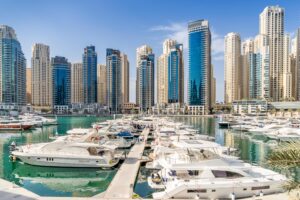
| Dubai Marina | 5–8 | Prestigious, waterfront living, high rental occupancy |
| Business Bay | 5–7 | Urban hub, prime for young professionals, mixed-use developments |
| Downtown Dubai | 4–6 | Iconic attractions, tourist hot-spot, strong long-term demand |
| Al Furjan | 5–7 | Emerging area, relatively lower entry price, good villa yields |
| Dubai South | Up to 8 | Mega projects, close to Expo site, poised for future appreciation |
| International City | 7–9 | Budget-friendly, consistent rental demand, excellent for value buys |
Why Location Matters?
Choosing the best location is important because of:
- Infrastructure Projects: Proximity to new metro lines, business districts, and schools increases tenant interest and capital appreciation.
- Lifestyle Factors: Areas offering waterfront access, leisure, and shopping attract premium tenants and yield higher occupancy.
- Emerging Neighborhoods: Newer communities offer lower purchase prices and significant growth potential as the city expands.
Choosing the Right Property Type to Maximise ROI on Dubai Property Investment
Here are some types of properties to choose from:
Apartments vs. Villas
- Apartments: Studios and 1-bedroom units generally achieve the highest yields, particularly in high-density, expat-favored neighborhoods. These properties appeal to young professionals and couples and are easier to rent out year-round.
- Villas and Townhouses: Larger units may generate slightly lower percentage yields but often appreciate more in value and attract long-term family tenants.
Off-Plan vs. Ready Properties
- Off-Plan Investments: Buying during the early stages of development allows for below-market prices, flexible payment schedules, and strong potential for value uplift upon completion.
- Ready Properties: Provide immediate rental income and lower uncertainty about delivery, but may require a higher initial outlay.
Luxury vs. Mid-Tier Segments
- Luxury Properties: Deliver stable gains and strong occupancy among high-net-worth individuals, but may involve greater volatility during market downturns.
- Mid-Tier Properties: Offer a balance of affordability and robust yields with consistently strong demand from Dubai’s expanding middle class.
Strategies to Maximise ROI in Dubai Property Investment
Here are some useful strategies:
1. Target High-Yield Locations
Always prioritise districts with a proven rental track record, robust connectivity, and future development plans. Research average rents, vacancy rates, and transaction volumes in target neighborhoods.
2. Optimise Property Management
- Professional Management: Engaging a reputable, RERA-certified management company can reduce vacancy times, ensure prompt maintenance, and handle legal compliance.
- Tenant quality: Thorough screening, prompt responses, and good communication help maintain high rental yields and reduce tenant turnover.
3. Embrace Short-Term Rentals
With Dubai’s booming tourism sector, short-term lets outperform annual leases in tourist-heavy areas. However, they require active management and are subject to government regulations.
4. Invest in Property Improvements
Strategic upgrades can dramatically boost both rental income and future resale value:
- Modernize kitchens and bathrooms
- Add energy-efficient appliances or smart home features
- Refresh interiors with stylish décor and quality furnishings
- Enhance curb appeal with landscaping and regular exterior maintenance
5. Leverage Financing Wisely
- Shop for the lowest possible mortgage rates.
- Take advantage of developer payment plans when buying off-plan.
- Calculate the impact of financing costs on net returns and always factor in a contingency for fluctuating interest rates.
6. Diversify Across Types and Areas
Don’t put all your capital into one segment. Expanding your portfolio—across apartments, villas, short- and long-term lets, and different districts—spreads risk and smooths out income volatility.
7. Stay Informed and Agile
Monitor market reports, policy changes, and infrastructure projects that could affect supply and demand. Timing your investments—such as buying during a market dip or before a key new development—can yield higher long-term gains.
Tax and Regulatory Environment: A Unique Advantage
One of Dubai’s standout features is its tax-free framework for property investors.
There are:
- No annual property taxes
- No capital gains tax
- No income tax on rental earnings
This allows nearly all gross rental proceeds to flow directly into your net ROI, making Dubai dramatically more cost-effective than other global capitals where taxes can erode profits by several percentage points each year.
Additionally, reforms have made freehold ownership more accessible for foreigners, and property purchases of certain values qualify investors for residency visas, adding further benefits and flexibility for international buyers.
Anticipated Risks and Market Cycles
No market is without challenges. In 2026, analysts forecast a moderate surge in property supply, which could temporarily depress capital values, especially in oversupplied districts. However, robust population growth, surging tourist arrivals, and continued government spending on infrastructure are expected to underpin strong long-term demand.
Key risk-mitigation strategies include:
- Focusing on income-producing, high-occupancy properties
- Diversifying across price segments
- Targeting locations with sustainable demand and limited new supply
Tips to Maximise Your Advantage
If you want to increase your profit, consider:
- Embrace Sustainability: Properties integrating energy-efficient systems and green building certifications attract premium tenants and enjoy lower running costs, improving long-term returns.
- Utilise PropTech: Leverage data-driven property platforms, digital management tools, and smart home technology to optimize pricing, marketing, and operational efficiency.
- Build Local Partnerships: Trusted legal and brokerage advisors can provide early access to exclusive projects and guide you through regulatory updates and transaction complexities.
- Understand Tenant Demographics: Study tenant profiles (young professionals, families, expat executives, tourists) to match your offering and marketing for faster occupancy.
Conclusion
Maximising ROI in Dubai’s thriving property market requires more than a passive “buy and hold” approach. Success comes from careful location targeting, smart property selection, responsive asset management, and embracing the city’s unique regulatory advantages. With the right strategy, investors can achieve rental yields and long-term capital growth unmatched in most major markets.
The path to high returns includes ongoing learning, flexibility in adapting to market shifts, and a relentless focus on adding value, both for tenants and future buyers. In the fast-evolving landscape of Dubai real estate, those who think ahead and act decisively will continue to outpace market averages and build lasting wealth. Call us now to consult.
FAQs
1. What is a good ROI for property investment in Dubai?
A healthy ROI ranges between 6% and 9% annually for residential properties. Some high-demand segments and neighborhoods may push yields above this average, especially for smaller apartments or short-term rental units.
2. Which areas are the best for maximising returns?
Top-performing areas this year include Jumeirah Village Circle (JVC), Dubai Marina, Business Bay, and up-and-coming zones like Al Furjan and Dubai South.
3. Should I buy off-plan or ready properties for the best ROI?
Off-plan purchases offer lower prices and potential for higher appreciation as developments complete, but involve delivery and market timing risks. Ready properties provide immediate rental cash flow and clearer market visibility.
4. How important is professional property management?
Professional property managers ensure high occupancy, handle maintenance, manage tenant relations, and oversee legal compliance. This maximizes rental income, improves tenant retention, and safeguards your investment over time.
5. What should I watch out for in the Dubai property market?
Beware of short-term oversupply in certain areas, possible price corrections, and the need for tenant-centric features. Always conduct due diligence on developers, stay updated on regulations, and focus on locations with sustainable end-user and tenant demand.