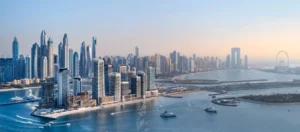
With the tallest building in the world, luxurious hotels, and a vast range of shopping centers, Dubai has long exemplified extravagance. In recent years, it has focused on sustainability and innovation, striving to become one of the world’s smartest cities. This transformation prioritizes creating a connected, efficient, and enjoyable environment for living and working, beyond mere technological upgrades. Dubai’s real estate sector is rapidly evolving due to these initiatives, offering both new prospects and challenges for residents, developers, and investors. In this article, we explore their effects on the real estate market.
Table of Contents
ToggleWhat Is a Smart City?
A smart city uses digital technology, data, and the Internet of Things (IoT) to improve urban services, boost efficiency, and enhance quality of life. Smart infrastructure, efficient transit, sustainable energy management, digital governance, and public participation are key components. These ideas form the basis of Dubai’s vision to build a technologically advanced, accessible, inclusive, and environmentally conscious city.
Dubai’s Key Smart City Projects
Here are some key features of Dubai’s smart city projects:
Dubai Smart City Strategy
The Dubai Smart City Strategy, launched in 2014, aims to make Dubai the smartest and happiest city globally. It includes over 100 projects and 1,000 smart services across six main areas: Smart Economy, Smart Living, Smart Mobility, Smart Environment, Smart Governance, and Smart People.
Dubai Pulse
Dubai Pulse is the city’s digital backbone. It is a central place for the government and businesses to share data. This open-source platform gives people who need to make decisions, plan cities, and improve service access to real-time information.
Smart Dubai Government
The Smart Dubai Government program has made public services like paying bills, getting licenses, and keeping health records digital. Residents now have easier, paperless processes that save time and cut down on red tape.
Integrated Transportation
The Roads and Transport Authority (RTA) has added smart traffic lights, driverless metro trains, and mobile apps for planning routes and making payments. Smart parking systems and tests of self-driving cars promise to make things easier and cut down on pollution.
Sustainable Developments
Goals for smart cities include building green buildings, using less energy for lighting, saving water, and managing waste. The Dubai Clean Energy Strategy 2050 aims to make 75% of the city’s energy supply clean by the middle of the century.
How Smart City Initiatives Influence Real Estate
Here is how smart city initiatives influence real estate:
1. Enhanced Property Value
Smart technologies increase the value of residential, commercial, and mixed-use properties. Buildings equipped with energy management systems, smart security, and digital connectivity command premium prices and higher rental yields.
2. Improved Quality of Life
Elements such as smart homes, automated security, and community management apps boost comfort, safety, and convenience. Features like remote access control and intelligent climate control are now standard in new developments, attracting both local and international buyers.
3. Sustainability as a Value Proposition
Green buildings and resource-efficient construction techniques make Dubai’s real estate market more attractive to environmentally conscious investors. Developers who focus on smart sustainability are increasingly favored by global property buyers and tenants.
4. Data-Driven Decisions
With big data from initiatives like Dubai Pulse, real estate companies can analyze trends, forecast demand, and tailor offerings to current preferences. This approach reduces risk and maximizes returns for stakeholders.
5. Regulatory Changes
Smart governance accelerates approvals, simplifies licensing, and reduces paperwork in property transactions. Blockchain adoption streamlines buying and selling while increasing transparency and trust in the market.
Benefits of Dubai’s Smart City Real Estate
Dubai’s smart city initiatives make life easier, safer, and more valuable for everyone. Here’s how:
- Homes have smart technology like automated lights and security for more comfort and peace of mind.
- Green buildings increase energy and water efficiency, lowering environmental impact and reducing utility costs for residents.
- High-speed connectivity and smart devices enable residents to efficiently manage home functions remotely.
- Digital systems speed up property transactions and strengthen security, reducing paperwork and building trust.
- Properties in smart districts tend to appreciate, providing attractive long-term investment potential.
- Living in smart districts is more convenient through improved mobility, advanced infrastructure, and nearby amenities.
Challenges Facing Smart City Adoption
Residents and developers face several challenges in adapting to Dubai’s smart city transformation:
- Integration: Achieving seamless connectivity across multiple systems remains a technical challenge.
- Data Security: As more devices connect to the network, protecting personal and business data becomes crucial.
- Affordability: Certain smart features can elevate construction costs, potentially affecting affordability for residents.
- Regulatory Compliance: Staying aligned with evolving government standards and privacy laws is a continuous process.
Dubai’s Place in the Global Context
Dubai serves as a regional model and is consistently ranked among the world’s leading smart cities. Through hosting global events and building partnerships with technology companies, Dubai continues to attract skilled professionals, major investments, and innovative solutions. The city’s flexibility, creativity, and competitiveness have made its real estate market especially active and diverse.
Conclusion
Dubai’s progress toward becoming a smart city is changing how the city looks, functions, and grows. With clear goals, new technologies, and strong attention to sustainability, Dubai is redefining what a modern city can accomplish. As smart systems expand, real estate opportunities will also grow, offering new possibilities for investors, residents, and developers. Contact us at Arabland now to receive the best opportunities to buy properties in Dubai.
FAQs
1. What are the key features of smart homes in Dubai?
Smart homes commonly include automated lighting, climate control, security systems, and app-based management, all designed to enhance comfort and efficiency.
2. How does Dubai’s smart city approach benefit property owners?
Property owners benefit through increased property values, higher rental income, lower utility costs, and improved service experiences.
3. Are there incentives for investing in sustainable real estate in Dubai?
Yes, the government offers incentives such as reduced fees, expedited approvals, and recognition for green-certified developments.
4. What role does big data play in Dubai’s real estate market?
Big data enables more accurate demand forecasting, tailored marketing, and informed investment decisions, reducing risk for all parties.
5. How can foreign investors participate in smart real estate projects in Dubai?
Foreign investors can buy property in designated freehold areas, participate in real estate investment trusts (REITs), or partner with local developers, with digital services streamlining every step.