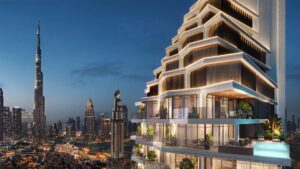
Dubai has firmly positioned itself as one of the world’s most attractive real estate investment destinations. As the market moves into 2026, investors are shifting from short-term speculation to long-term, data-driven strategies.
Table of Contents
ToggleDubai Economic Outlook and Its Impact on Real Estate
Dubai’s diversified economy continues to fuel real estate growth. Government-backed strategies, global business expansion, and strong tourism performance are sustaining property demand across residential and commercial segments.
Key Highlights:
- Stable GDP growth supported by tourism, finance, logistics, and technology
- Rising population driven by expatriates, entrepreneurs, and remote workers
- Increased demand for housing in lifestyle-focused communities
Residential Property Market Trends in Dubai
Residential real estate remains the backbone of Dubai’s property market. Demand in 2026 is balanced across luxury, mid-range, and affordable housing, with buyers placing greater emphasis on value and long-term returns.
Market Insights:
- Luxury villas and branded residences attract international high-net-worth investors
- Mid-market apartments benefit from strong rental absorption
- Affordable housing gains importance due to workforce expansion
Dubai Property Price Forecast and Rental Yield Outlook
Unlike previous boom cycles, Dubai’s property market in 2026 is entering a phase of controlled and sustainable growth. Prices are expected to stabilize in some areas while continuing to grow in prime and infrastructure-led locations.
Prices are expected to stabilize in some areas while continuing to grow in prime and infrastructure-led locations. For a detailed overview of current housing prices and rental trends, investors can refer to the Engel & Völkers Dubai Housing Market Guide, which provides in-depth analysis of neighborhood-level performance and future projections. This makes it easier to compare past trends with expected growth and plan investment strategies accordingly.
Key Insights:
- Moderate price appreciation in premium communities
- Competitive rental yields compared to major global cities
- Growing influence of end-users on price stability
Technology and AI in Dubai Real Estate
Technology is now embedded in every stage of the real estate journey from discovery to transaction and property management. By 2026, AI, PropTech, and data-driven tools are no longer optional—they are essential for investors and developers alike.
For a deeper look at how AI and technology are shaping Dubai’s real estate market, check out the ArabLand article on AI-driven property trends, which explores innovations like virtual tours, smart home integration, and AI-powered property management solutions. This helps investors understand the practical impact of technology on pricing, demand, and long-term ROI.
Key Trends:
- AI-powered valuations improving pricing accuracy
- Virtual property tours enabling remote investments
- Blockchain-based transactions increasing transparency
- Smart home features boosting rental and resale value
Sustainability and Green Real Estate Developments
Sustainability in Dubai real estate is no longer optional; by 2026, it will be a key differentiating factor for investment.
Why It Matters:
- Rising demand for energy-efficient and LEED-certified buildings
- Lower operational costs improve long-term ROI
- ESG-focused developments attract institutional investors
Government Regulations and Investor Incentives in 2026
Dubai continues to strengthen its investor-friendly environment through regulatory improvements and long-term residency initiatives.
Regulatory Highlights:
- Property-linked long-term residency and Golden Visa options
- Simplified transaction processes for foreign buyers
- Transparent legal frameworks supporting investor confidence
Changing Investor Behavior in Dubai Real Estate
Investor behavior in 2026 reflects a more mature and disciplined market.
Quick flips are being replaced by long-term income and capital preservation strategies.
Key Shifts:
- Focus on consistent rental income over speculation
- Preference for completed or near-handover projects
- Increased demand for mixed-use and lifestyle communities
Emerging Areas to Watch in Dubai Real Estate
Beyond established districts, several emerging areas offer strong growth potential for early investors.
Top Locations:
- Dubai Creek Harbour – waterfront lifestyle and infrastructure growth
- Mohammed Bin Rashid City – large-scale mixed-use developments
- Dubai South – future economic hub linked to aviation and logistics
Risks and Challenges Investors Should Consider
While Dubai offers strong fundamentals, informed investors assess potential risks before committing capital.
Key Considerations:
- Oversupply risks in apartment-heavy districts
- Interest rate exposure for leveraged buyers
- Importance of choosing reputable developers
Conclusion
Dubai’s real estate market in 2026 represents a shift toward stability, transparency, and sustainable growth. Investors who focus on prime locations, realistic returns, and future-ready developments are best positioned for long-term success. Rather than chasing rapid gains, the smart approach in 2026 is strategic, informed, and fundamentals-driven investment in one of the world’s most dynamic property markets.
contact us in arabland.ae
FAQ
1. What are the key trends shaping the Dubai real estate market in 2026?
The key trends include economic growth and stability, robust demand for residential properties, technological integration in real estate, a focus on sustainability, and regulatory enhancements that favor foreign investment.
2. How is the economic growth in Dubai expected to impact the real estate market?
Economic growth is projected at 3-4% annually, which will likely increase job opportunities and population growth, thereby enhancing the demand for both residential and commercial properties.
3. What types of residential properties are in demand in Dubai?
Both luxury and affordable housing markets are expected to thrive. High-net-worth individuals are seeking luxury properties, while there is a rising need for affordable housing options for the growing middle class.
4. How is technology influencing the Dubai real estate sector?
Technology is revolutionizing the market through innovations such as virtual reality tours, blockchain for secure transactions, and AI-driven property management, enhancing the overall customer experience and streamlining processes.
5. What initiatives are being taken to promote sustainability in Dubai's real estate developments?
Developers are increasingly prioritizing energy-efficient designs and seeking green certifications like LEED to meet the rising demand for sustainable buildings and practices.
6. Will Dubai property prices increase in 2026?
Property prices in Dubai are expected to experience moderate and sustainable growth, especially in prime locations and infrastructure-led developments, while some areas may see price stabilization.
7. Where are the emerging development areas in Dubai?
Emerging areas include Dubai Creek Harbour and Mohammed Bin Rashid City, which are poised for significant growth and offer new investment opportunities.
8. Is Dubai real estate a good investment in 2026?
Yes, Dubai real estate remains a strong investment option in 2026 due to stable economic growth, high rental yields, investor-friendly regulations, and increasing demand from end-users and long-term investors.