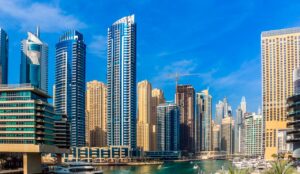
Dubai’s real estate market continues to attract buyers from around the world, thanks to its dynamic economy, world-class infrastructure, and attractive residency options. For many investors and homebuyers, off-plan property—units purchased before or during construction—offers compelling advantages: potential price appreciation, flexible payment plans, and the opportunity to customize interiors. This Step-by-Step Guide to Buying Off-Plan Property in Dubai in 2026 walks you through the critical stages, risks, and best practices so you can make an informed decision and maximize your return on investment.
Table of Contents
ToggleWhat Is Off-Plan Property in Dubai?
An off-plan property is a home or commercial unit bought from a developer before its construction is completed, or sometimes before it begins. Buyers base decisions on brochures, blueprints, show units, and, critically, the reputation and reliability of the developer. Dubai’s real estate sector supports this with solid protections via the Dubai Land Department (DLD) and the Real Estate Regulatory Agency (RERA). This difference in how payment is structured and how the purchase is secured sets Dubai’s method apart and makes it attractive for both residents and global investors seeking innovation, growth, and security.
Why Buy Off-Plan in Dubai?
Off-plan investment in Dubai offers:
- Lower entry price: Launch prices are usually at least 10–20% below completed properties.
- Flexible payment structures: Installments are typically tied to development milestones, stretching across months or even years.
- Capital appreciation: Early buyers often see values climb 20–40% or more by the time of handover, especially in prime projects.
- Potential to customize: Some developers let investors select finishes, layouts, and design options.
- Modern amenities: Brand-new buildings incorporate up-to-date design and energy-efficient technologies for lower maintenance costs.
- RERA-regulated escrow accounts: Deposits and payments are protected in government-approved accounts and not released to the developer until progress is verified.
Step-by-Step Process for Buying Off-Plan Property in Dubai
Here are the steps to buy an off-plan property in Dubai:
1. Budgeting and Financial Planning
Begin by calculating the necessary funds. The usual down payment ranges from 10–20% of the purchase price and must come from available cash. Mortgages for off-plan homes typically only activate upon completion. Factor in:
- Down payment
- Installments (spread over construction or post-handover)
- DLD registration fees (typically 4% of the price)
- Legal and administrative charges
Smart buyers also set aside some money for unforeseen costs.
2. Market Research and Location
Thorough market research precedes any commitment. Use Dubai Land Department tools and popular property platforms to survey districts and spot emerging opportunities. Hot areas for 2026 include:
- Dubai Creek Harbour (waterfront luxury)
- Business Bay (downtown living and high rental demand)
- Meydan City (urban luxury, villas)
- Jumeirah Village Circle & Arjan (affordable options, growing rental appeal)
Check for infrastructure enhancements, upcoming transport lines, and neighborhood developments.
3. Selecting the Right Developer
A developer’s reputation can make or break an investment: research delivery timelines, online reviews, financial health, and previous projects.
Dubai’s market features many reputable developers, but risk increases with lesser-known names. Important due diligence steps:
- Verify RERA registration for the project and the developer.
- Review past project delivery records, timeliness, and any penalties or delays.
- Examine the project’s master plan, approvals, and surrounding infrastructure (schools, hospitals, public transport).
- Assess the payment plan structure, including the amount of equity, milestone payments, and refunds if the project stalls.
- Read independent reviews and consult with a licensed real estate advisor.
Top local names like Emaar, Damac, Nakheel, and Sobha Realty have a proven record, but always verify RERA registration for your chosen project.
4. Unit Selection and Customization
Evaluate project master plans and floor layouts. Units with premium locations, corner spots, park-facing views, and proximity to amenities usually command better resale and rental prospects. Developers may let you adjust certain design elements, adding further value and personalization.
5. Reviewing Payment Plans
Developers offer various payment schemes, including:
- Construction-linked plans (e.g., 10% on booking, 60% during construction, 30% at handover)
- Post-handover plans, spreading the remaining amount over two or more years after the property is ready.
Some launches feature tempting bonuses: discounted registration fees, furnishing packages, or guaranteed returns.
6. Making a Reservation and Signing the SPA
Once a unit is chosen, pay the booking fee to secure it. The Sales and Purchase Agreement (SPA) follows, your legal contract outlining payment schedule, specs, handover dates, and the developer’s obligations. Always review it in detail, ideally with advice from a specialized property lawyer.
7. Project and Ownership Registration
Registration with the Dubai Land Department via the Oqood system protects legal ownership. This step typically incurs a 4% fee, but solidifies your claim to the unit even before handover.
8. Monitoring Development and Construction Updates
Track construction milestones through project portals or on-site visits. Developers must share regular updates and maintain transparency. RERA and DLD inspect projects, ensuring compliance and buyer protection.
9. Final Payments, Snagging, and Handover
Toward project completion, settle the last installments. Then, conduct a “snagging” inspection, listing any defects or deviations before keys and certificates are transferred. This safeguards quality and fulfills contract terms.
Advantages and Drawbacks of Buying Off-Plan Property in Dubai
Here are the pros and cons of buying off-plan property in Dubai:
Advantages
- Affordability: Entry at lower prices than ready homes.
- Flexible payments: Schemes suited to different investor profiles.
- Potential high capital gains: Especially in premium areas.
- Modern features, low maintenance: Brand-new builds last longer.
- Legal safety net: Escrow accounts and robust oversight.
- Golden Visa eligibility: Large investments may qualify for UAE residency.
Risks
- Construction delays: Delivery may be pushed back, affecting move-in or rental plans.
- Market changes: Values can fluctuate during the building period.
- Developer risk: Unreliable parties may mismanage or abandon projects due carefulness is vital.
- Unanticipated changes: Final units may differ in detail from promotional materials; always insist on thorough snagging inspections.
Investment Outlook: Dubai 2026
Dubai’s off-plan sector continues surging ahead, with AED 761 billion in transactions in 2024. International demand remains robust, and infrastructure upgrades keep fueling strong capital growth. Key areas like Dubai Creek Harbour, Business Bay, and Meydan offer significant ROI—often 20–30% appreciation by handover, along with rental yields near 8–9% annually. Invest early for the best prices and additional launch perks.
Popular projects include:
- Sobha One (luxury apartments, 7–9% annual ROI)
- Emaar The Valley (family townhouses, green spaces)
- Damac Lagoons (Mediterranean-themed villas, strong rental appeal)
- Azizi Riviera (affordable Meydan homes with rental upside)
- Dubai Creek Harbour (future downtown, high appreciation expectations)
Practical Tips for Success
- Define your exposure:
o Core real estate: stable rental income, long horizons, lower risk.
o Opportunistic: value-add strategies in under-supplied segments, higher risk-adjusted returns.
o Public market exposure: Dubai and UAE-focused equities, REITs, or MENA-focused funds for liquidity and diversification. - Partner with local experts: engage reputable developers, property managers, and asset managers with on-the-ground presence; consider joint ventures or SPVs to align risk and governance.
- Due diligence checklist:
o Location and demand drivers (tourist footfall, business activity, transport access).
o Developer/sponsor track record and financing structure.
o Regulatory compliance, title deeds, and escrow arrangements for off-plan purchases.
o Cash flow modeling: rent levels, occupancy, operating costs, capex, and exit options. - Risk management: diversify across assets, set stop-loss frameworks, and plan for exit realism (market-specific liquidity concerns).
- ESG and sustainability: consider energy efficiency, water management, and climate resilience as both value-add and risk mitigation.
Quick-term view for 2026
Moderate-to-strong growth potential in logistics, tourism-enabled sectors, and tech-enabled services, provided global liquidity remains supportive and policy stays welcoming.
Real estate may deliver solid yields in high-demand submarkets, but investors should be selective and stress-test scenarios due to cycle sensitivity.
Innovation and fintech ecosystems could outperform if regulatory sandboxes, funding, and partnerships accelerate commercialization.
Conclusion
Buying off-plan property in Dubai in 2026 can be a strategic move for buyers seeking potential price appreciation, modern amenities, and flexible payment structures. By following this Step-by-Step Guide to Buying Off-Plan Property in Dubai in 2026, you can navigate market dynamics, assess risk, and align your investment with your financial goals. Remember to perform due diligence, work with licensed professionals, and stay informed about regulatory changes to maximize your success in Dubai’s vibrant real estate landscape. Always research, read legal review, and have a clear understanding of the process, and the advantages of Dubai’s real estate market will be yours to enjoy. Do not hesitate to contact in Arabland team for more information.
FAQs
1. What paperwork is required to buy off-plan?
Provide passport, Emirates ID (if applicable), SPA contract, reservation form, and sometimes proof of income or address.
2. Can foreigners purchase off-plan units in Dubai?
Absolutely. Foreign nationals have full property rights in freehold zones and face no citizenship barrier for off-plan purchases.
3. How are buyer payments protected?
All buyer payments go into DLD-regulated escrow accounts, released in phases only as construction milestones are achieved, limiting risk.
4. What if the developer doesn't deliver on time?
Contracts usually contain penalty and refund clauses. The DLD and RERA can offer dispute resolution. Penalties may apply to both delayed handover and early termination.
5. Can the purchased off-plan unit be sold before completion?
Many developers permit resale (assignment) during construction, offering flexibility if circumstances change, just check project policies and SPA details.
6. How do I select a reliable developer for an off-plan project in Dubai?
Check RERA registration, past delivery performance and penalties, master plan clarity, surrounding infrastructure, and the payment structure. Prefer well-established developers with a transparent track record and independent reviews.
7. What practical steps should I take before committing to an off-plan Dubai project?
Define budget and cash flow, research locations and future infrastructure, verify RERA registration, review the SPA with a property lawyer, confirm escrow terms, and plan for registration with DLD/Oqood and ongoing progress updates.
8. Which areas in Dubai show strong potential for off-plan investment in 2026?
Dubai Creek Harbour, Business Bay, Meydan City, and Jumeirah Village Circle & Arjan are highlighted as hot or growing submarkets due to infrastructure, demand, and rental appeal.